
Exotic Mammal Relocation Services

When an Exotic Mammal Has to Move, Mistakes Are Not an Option
Exotic mammal relocation is not a casual task. One wrong document, one misstep in containment, one misunderstanding of Canadian transport or import rules, and the animal pays the price. So do you. This is why Pearl Lemon Pets exist. Within the first moments of working with us, it becomes clear that exotic mammal relocation in Canada demands planning, restraint, foresight, and respect for both law and biology.
We work with private owners, breeders, rescue groups, research facilities, and institutions across Canada that need exotic mammal relocation handled properly. Not emotionally. Not casually. Properly.
If you are responsible for a primate, marsupial, small carnivore, or restricted mammal, this page is for you.
Our Services
Exotic mammal relocation in Canada is not one service. It is a sequence of controlled actions that must line up without friction. Our work covers every phase required to move an exotic mammal legally, safely, and with minimal physiological stress.
Below is how we manage exotic mammal relocation from start to finish.
Pre-Relocation Risk Assessment and Viability Review
Every exotic mammal relocation starts with a clear question. Should this animal move at all, and under what conditions? We conduct a structured risk assessment that considers species-specific stress thresholds, climate sensitivity, enclosure dependency, behavioural triggers, and current health indicators.
In Canada, this step matters because provincial and federal authorities can halt a relocation mid-process if viability is unclear. We document risk exposure, identify pressure points, and define acceptable handling windows. This protects the animal and prevents regulatory interruptions that cost time and credibility.

Regulatory Compliance and Permit Coordination in Canada
Exotic mammal relocation in Canada involves layered oversight. Federal agencies, provincial wildlife authorities, and transport regulators all have jurisdiction depending on species and origin. We manage permit sequencing so approvals occur in the correct order without contradictions.
This includes interprovincial movement clearance, restricted species documentation, and coordination with inspection authorities. Our role is to remove regulatory uncertainty so the relocation proceeds without last-minute refusals or forced holding periods that place mammals under avoidable strain.
Species Appropriate Transport Containment
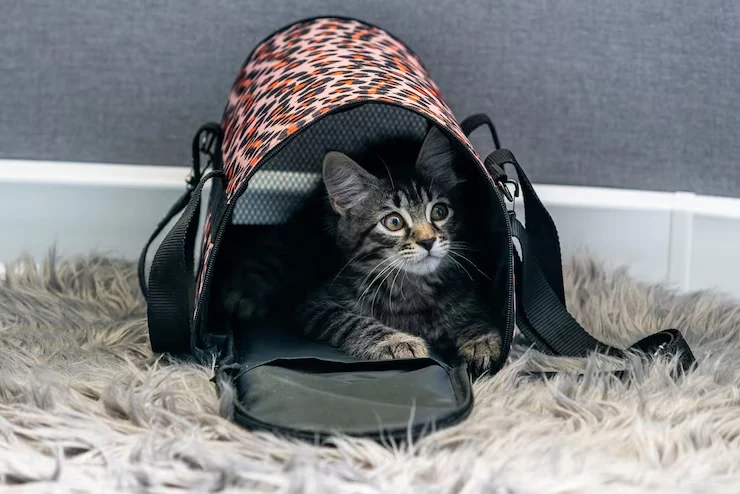
Transport containment is where many exotic mammal relocations fail quietly. A crate that works for one species can be harmful for another. We specify containment based on thermoregulation needs, posture requirements, ventilation tolerance, and stress response patterns.
For Canadian climates, containment planning must account for temperature variance across regions and seasons. We design containment specifications that support stability from origin to destination, whether the relocation crosses provinces or involves international entry into Canada.

Veterinary Coordination and Health Clearance Management
No exotic mammal relocation should proceed without coordinated veterinary involvement. We work with licensed veterinarians to align health clearances with transport timelines. This avoids expired documentation, redundant sedation, or conflicting assessments.
Our process respects the animal’s baseline condition and minimises invasive procedures. Health clearance is treated as a support mechanism, not an obstacle. Authorities expect clarity here, and we provide it without overexposing the animal to handling.
Behavioural Stress Mitigation During Relocation
Exotic mammals respond to movement differently from domestic animals. Behavioural stress can surface as self-injury, refusal to eat, or aggressive responses that endanger handlers. We plan relocation handling protocols that limit exposure to triggers and unnecessary interaction.
This includes movement timing, visual shielding, noise control, and transfer choreography. In Canada, where relocation distances can be long, stress mitigation planning is not optional. It is essential for survival and post-relocation adjustment.
Cross-Border Exotic Mammal Relocation Into Canada
When exotic mammal relocation involves entry into Canada, complexity multiplies. Import controls, quarantine directives, and inspection scheduling must align precisely. We coordinate documentation, inspection readiness, and arrival sequencing to avoid extended holding.
Animals arriving in Canada face climate adjustment, unfamiliar handling environments, and regulatory scrutiny. Our role is to make entry predictable and controlled so the mammal transitions without unnecessary interruption.
Destination Readiness and Facility Coordination
Relocation does not end when the transport door opens. The destination facility must be ready to receive the mammal immediately. We coordinate enclosure readiness, staff briefing, and intake protocols so the transition is calm and structured.
In Canadian facilities, inspections can occur post-arrival. We ensure the destination environment meets declared standards to prevent enforcement actions that could trigger secondary relocation or seizure.

Post Relocation Monitoring and Documentation Closure
Exotic mammal relocation is only complete once the animal stabilises at the destination and all documentation is formally closed. We support post relocation observation planning and ensure records reflect completed movement in compliance with Canadian requirements.
This final step protects you from future regulatory questions and confirms that the relocation met the declared conditions.
Book a call if your relocation requires precision rather than improvisation.
Why Choose Us
Exotic mammal relocation is a responsibility, not a transaction. We approach it with discipline and restraint. Clients work with us because we understand how Canadian authorities think, how mammals respond to stress, and how small errors escalate into serious consequences.
We speak the language of regulators, veterinarians, and facility managers. We know when silence is better than over-explanation and when documentation must be exact. Our work is structured, deliberate, and grounded in practical experience across Canada.
You are not handed vague reassurances. You are given a clear relocation pathway and informed guidance at every stage.
Frequently Asked Questions
We manage relocation for a wide range of non-domestic mammals, including primates, small carnivores, marsupials, and restricted species subject to Canadian oversight.
Yes. Interprovincial relocation often requires additional clearance depending on the species. We manage the coordination so that provincial rules do not conflict.
We assess urgency carefully. If a rapid relocation increases risk to the animal or violates Canadian requirements, we advise against proceeding until conditions are acceptable.
Earlier planning reduces stress, cost, and regulatory exposure. Some relocations require weeks of sequencing to proceed cleanly.
Inspection may occur before departure, at border entry, or after arrival. We prepare documentation and readiness so inspections proceed without disruption.
Yes. Responsibility, not organisation size, determines suitability. Private owners are subject to the same Canadian standards as institutions.
Our planning aims to prevent this scenario. If it occurs, we support corrective action and compliance resolution where permitted.
Your Next Step Should Be Deliberate, Not Rushed
Exotic mammal relocation in Canada is not something to test or experiment with. Once movement begins, options narrow quickly. The safest choice is preparation guided by people who understand both the animal and the system governing its movement.
If you are responsible for an exotic mammal and relocation is on the table, take the step that reduces uncertainty.
Book a call and discuss your situation before movement begins.