
Exotic Mammal Relocation Services From Canada to Switzerland

When your exotic mammal crosses borders, one mistake can mean quarantine, refusal at customs, or worse. Relocating animals across continents is not shipping. It is compliance, timing, and precision under pressure.
At Pearl Lemon Pets, we manage exotic mammal relocation from Canada to Switzerland with strict control over permits, transport, and veterinary documentation so your animal clears every checkpoint from Toronto to Zurich without disruption.
If you are planning a move from cities like Toronto, Vancouver, or Montreal into Swiss regions such as Zurich, Geneva, or Basel, the margin for error is zero.
Our Services
Moving exotic mammals from Canada into Switzerland involves overlapping jurisdiction from the Canadian Food Inspection Agency and the Swiss Federal Veterinary Office. Each stage must align.
We control the entire chain.
Pre-Export Compliance and CFIA Certification
Most relocation failures start before the animal leaves Canada.
Exporting mammals from Canada requires a veterinary certificate endorsed by the CFIA, and once the animal leaves, corrections cannot be made.
We coordinate:
- Veterinary inspection and certification
- CFIA endorsement scheduling
- Species-specific export documentation
- Disease screening protocols
Commercial Impact:
You avoid shipment rejection due to incomplete paperwork, which is one of the most common causes of delays in international animal transport.


Swiss Import Permit and Regulatory Clearance
Switzerland applies strict animal import controls, especially for non-standard species.
Certain mammals require:
- Import permits issued in advance
- Cantonal veterinary approvals
- Species protection documentation under CITES, where applicable
If your species is not clearly listed, Swiss authorities require an import permit application before approval is granted.
Commercial Impact:
Pre-clearance prevents border detention and eliminates last-minute regulatory disputes at Zurich or Geneva entry points.
CITES Documentation for Exotic Mammals
Exotic mammals often fall under protected species regulations.
We manage:
- CITES export permits (Canada)
- CITES import clearance (Switzerland)
- Ownership certification for cross-border movement
Swiss authorities require documentation stamped at each border crossing for protected species.
Commercial Impact:
Failure to present correct CITES paperwork can result in seizure. This process removes that exposure entirely.

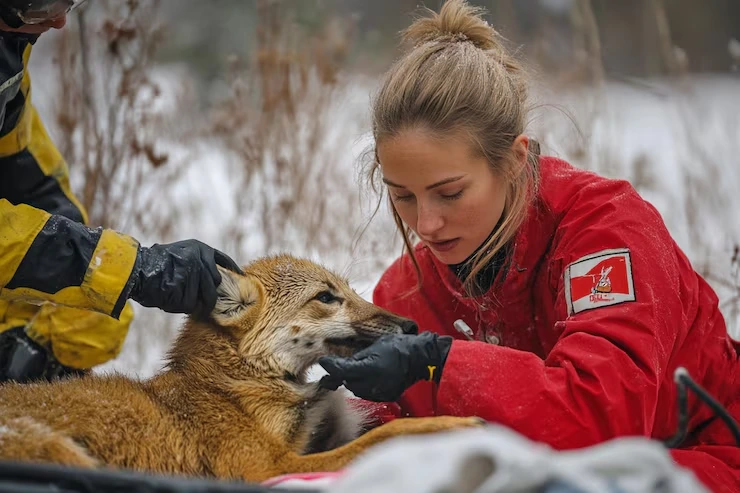
Veterinary Protocols and Health Certification
Health documentation must align with Swiss veterinary legislation and EU-aligned import rules.
Requirements often include:
- Microchip identification aligned with ISO standards
- Vaccination compliance, including rabies, where applicable
- Health certificates issued within strict validity windows
Animals entering Switzerland must undergo inspection and may be subject to veterinary checks at entry points such as Zurich Airport.
Commercial Impact:
You eliminate the risk of denied entry due to timing errors in vaccinations or documentation expiry.
Airline Cargo Coordination and Live Animal Handling
Exotic mammals require specialised handling, not standard pet cargo.
We arrange:
- IATA-compliant travel crates
- Airline-approved live animal booking
- Climate-controlled routing via major hubs such as Toronto Pearson to Zurich or Geneva
Airlines impose their own restrictions, and failure to meet them can prevent boarding entirely.
Commercial Impact:
Your animal travels in controlled conditions with zero airline rejection risk.


Customs Clearance at Swiss Entry Points
Switzerland mandates that animals from non-EU countries undergo border veterinary inspection.
Entry is limited to designated airports such as Zurich and Geneva for inspection and clearance.
We handle:
- Customs declarations
- Border veterinary inspection coordination
- VAT considerations were applicable
Commercial Impact:
Your animal clears customs without administrative delays or penalty procedures.
Quarantine and Post-Arrival Compliance
Some species require isolation or post-arrival monitoring depending on origin and classification.
Swiss regulations highlight disease control risks, and animals may require isolation or testing after arrival.
We coordinate:
- Quarantine logistics, if required
- Veterinary registration in Switzerland
- Local compliance with cantonal regulations
Commercial Impact:
You avoid post-entry complications that can escalate into enforcement actions.

Door-to-Door Relocation Management
This is not just transport. It is full-chain control.
We manage:
- Collection from Canadian cities, including Calgary, Ottawa, and Vancouver
- Transfer through approved cargo routes
- Final delivery across Swiss regions, including Lausanne, Bern, and Zurich
Commercial Impact:
You deal with one accountable partner instead of multiple disconnected providers.
Why Choose Us
Most relocation providers operate like freight companies. That approach fails with exotic mammals.
We operate within veterinary compliance frameworks, customs procedures, and species protection regulations simultaneously. Every relocation is structured around regulatory sequencing, not logistics alone. That distinction prevents the most common failures seen in cross-border animal transport.
Our process aligns Canadian export controls with Swiss import law before the animal moves. This removes the risk of document mismatch, which is a leading cause of refusal at entry points like Zurich Airport. We plan backwards from Swiss clearance requirements, then structure every upstream step in Canada to match.
We also maintain coordination across multiple authorities, including CFIA-certified veterinarians and Swiss cantonal offices. This reduces friction at each stage and ensures no regulatory gaps.

Industry Statistics That Matter
International animal transport is highly regulated. Switzerland applies EU-aligned import standards for live animals, requiring strict compliance with veterinary and documentation rules.
Animals entering Switzerland from non-EU countries must undergo border veterinary inspection, with clearance limited to specific entry points such as Zurich and Geneva.
Export certification from Canada must be completed and endorsed before departure, as post-departure corrections are not accepted.
Frequently Asked Questions
Export certificates from CFIA, veterinary health certificates, import permits, and CITES documentation, where applicable.
Not all, but many non-standard species require permits issued before arrival, especially protected or regulated animals.
Typically, several weeks, depending on permit approvals, veterinary preparation, and flight availability.
Yes. Animals from non-EU countries must be cleared through designated airports such as Zurich or Geneva.
The animal may be denied entry, placed in quarantine, or returned to the origin at the owner’s expense.
Not always. It depends on species, origin, and compliance with health regulations.
In many cases, yes, especially where identification is required for compliance and tracking.
Yes. Airlines have strict policies and create requirements that must be met before acceptance.
Animals may be subject to VAT depending on classification and ownership status.
Yes. Certain animals must be registered with local veterinary systems or cantonal authorities after entry.
Secure Your Animal’s Entry Before It Becomes a Problem
Every failed relocation starts with assumptions. Every successful one starts with control.
If your exotic mammal is moving from Canada into Switzerland, the only question that matters is this: will it clear every checkpoint without delay?